
Pooler, GA · Garage Door Service
When the Power Blinks, Your Opener Pays For It
Why garage door openers in Pooler fail after power blips, what the area's 1980s-90s housing stock and mild climate mean for your setup, and what to check before you call.
- Repairs & new doors
- Springs & openers
- Serving 7 nearby communities
When to Call Someone
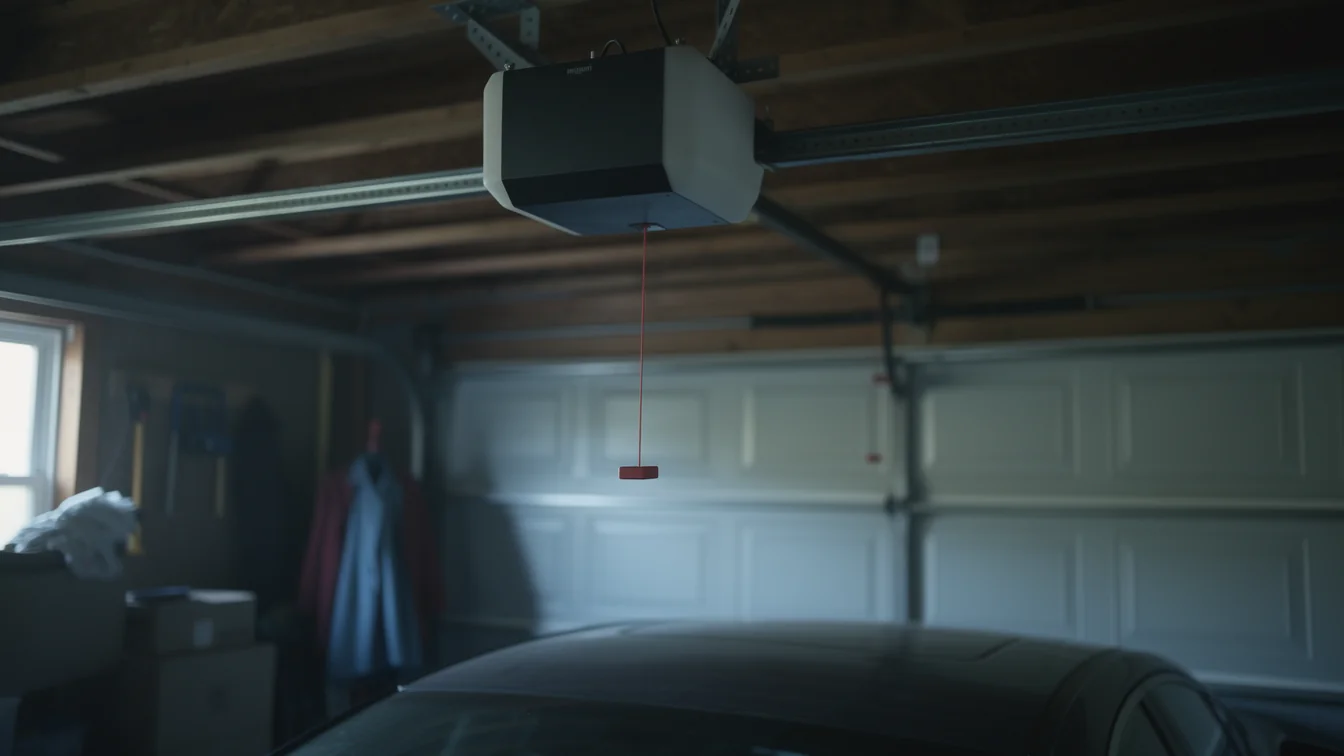
If your opener goes dead after a power flicker and the manual release cord won't let the door move by hand either, stop pulling on it and call. That combination usually means a drive gear or circuit board issue, not something you fix by unplugging and replugging. A lot of the houses in this part of the service area were built between 1964 and 2011, with most of that stock going up in the 1980s and 90s - which means a good share of openers out there are older units that were never designed to ride out repeated short power interruptions gracefully. If the door moves fine on manual release but the opener itself won't take a command even after power's back, that's worth a call too, since it often points to a fried board rather than a simple reset. What doesn't need a call: a door that just needs you to hold the wall button a few extra seconds after an outage while the opener relearns its position. Try that first.
The Problem
Openers and power outages don't mix well, and the mismatch shows up most in homes with the original or first-replacement opener from back when the house was built. A short outage - the kind that barely registers as an inconvenience inside the house - can still scramble the limit settings on an older opener, or in worse cases damage the logic board if the power comes back as a surge rather than a clean restore. Houses from the 1980s and 90s stock common across this area often still have openers from that build era or a direct swap-in replacement from the 90s or early 2000s, meaning the electronics inside predate the surge protection standard features you'd find in a current unit. The door itself is rarely the issue here - it's the box on the ceiling that takes the hit. One honest limitation: if a board's already fried, we're not rebuilding it on site. That's a part swap, and depending on the opener's age, sometimes a full opener replacement is the more sensible call than hunting for a matching board.
What Local Conditions Do
This area sits in a mild climate zone with occasional freeze risk - not the deep-freeze stress that cracks openers outright, but enough temperature swing across a year to matter for electronics that live in an uninsulated garage. The bigger factor here is how often power gets interrupted rather than how cold it gets: brief outages and voltage sags put real wear on an opener's control board over years, especially one that's already a decade or two old. Across the roughly 45,320 households and 24,812 owner-occupied houses in this service area, the opener in the garage is doing a quiet, constant job - and it's usually the forgotten part of the house until it stops answering the remote. Humidity plays a secondary role too: a board that's taken a few power surges and also sits in a damp garage for years doesn't age the same as one in a dry, climate-controlled space. None of that is dramatic weather, but it adds up differently than it would somewhere with harsher winters, because here the stress is electrical and incremental, not structural.
What to Check
Before calling, check three things. First, the wall button - press it and see if the opener lights up or makes any sound at all, which tells you whether it's getting power. Second, the breaker or outlet the opener runs off of; a tripped breaker after an outage is common and costs you nothing to check. Third, if your opener has a battery backup (most installed in the last several years do, but a lot of the 80s and 90s-era replacements don't), check whether the battery light is on or blinking, since a dead backup battery can act like the whole unit failed. If all three check out and the opener still won't respond, that's when it's a board or logic issue rather than a power issue, and worth a call. One thing worth knowing: if your opener predates battery backup entirely, adding one isn't always possible on the old unit - sometimes the more practical fix is replacing the opener rather than retrofitting a twenty-year-old motor.
Frequently asked questions
Why did my opener stop working after a short power outage?
Short outages can scramble an opener's travel limits or, worse, send a voltage spike when power returns that damages the control board. This hits older units harder since a lot of homes here still run openers from the 1980s and 90s build era without modern surge protection built in.
Does my garage door opener need a battery backup?
If you've lost opener function during outages before, yes, it's worth considering. Many openers installed before the last decade don't have one built in, and retrofitting an old motor isn't always possible - sometimes replacement makes more sense than adding a backup to an aging unit.
Is it the door or the opener when things stop working after a power blip?
Almost always the opener, not the door. Try the manual release - if the door moves freely by hand but the opener won't take a remote or wall command, the motor unit and its board are the problem, not the track or springs.
Related garage door services in Pooler
More garage door guides
Book garage door service in Pooler
Call now or request a quote - tell us what the door is doing and where you are.