
Pooler, GA · Garage Door Service
Garage Door Maintenance for Pooler Homes
Routine garage door maintenance in Pooler, GA, matched to the area's 1964-2011 housing stock and mild, occasional-freeze climate. Serving Pooler and nearby towns.
- Repairs & new doors
- Springs & openers
- Serving 7 nearby communities
Can You Do This Yourself
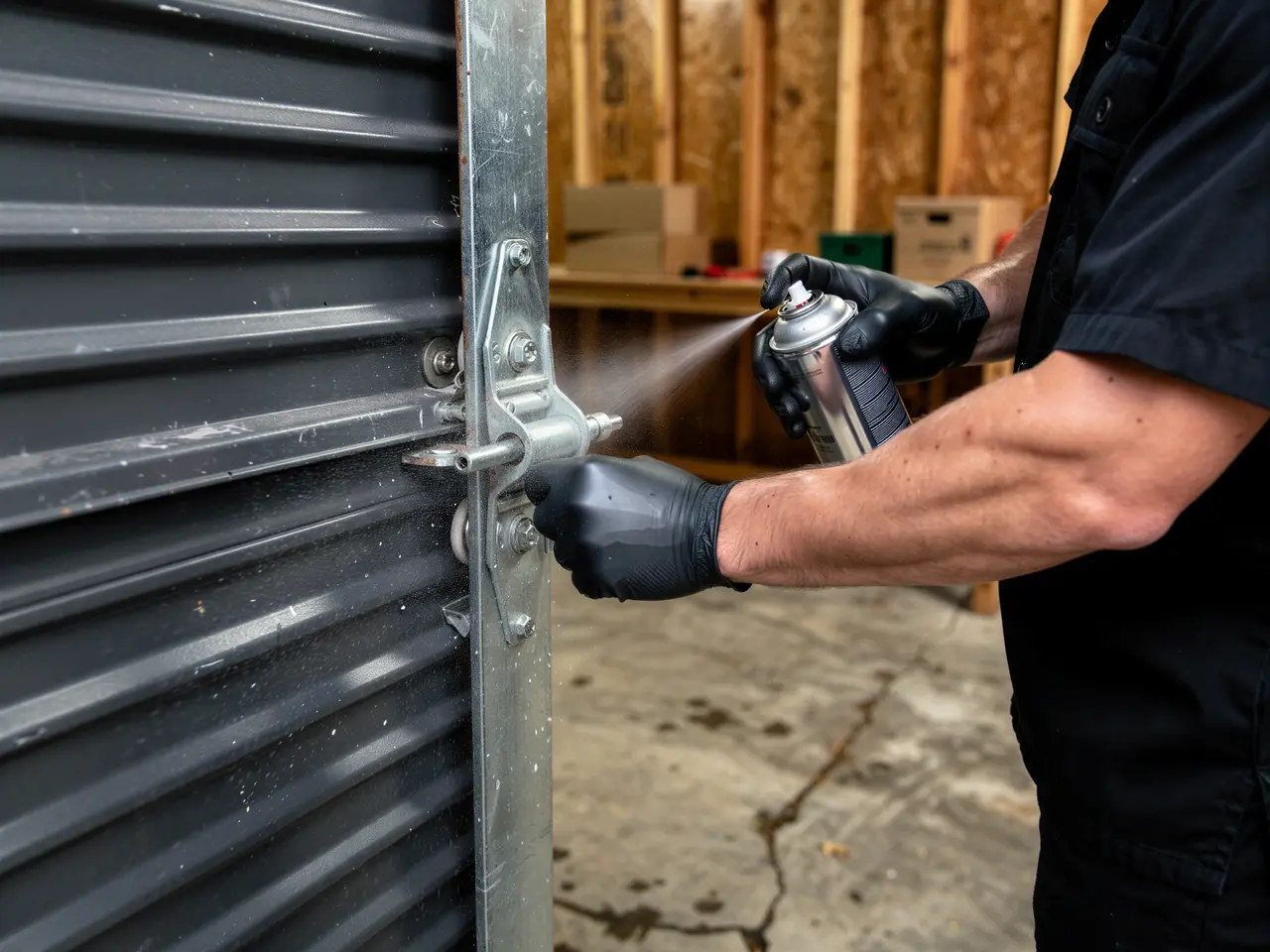
Some of it, yes. Wiping down tracks, checking that the photo-eye sensors are clean and aligned, and listening for new noises are things any homeowner can do on a weekend. A can of garage-door-specific lubricant on the rollers and hinges every few months goes further than most people expect.
What you shouldn't touch is the torsion spring system. That spring is wound under enough tension to break a bone or worse if it lets go while you're working near it. Same goes for the cables and the bottom brackets - those are under load even when the door looks still.
If your door was installed any time in the stretch from 1964 through 2011 - which covers most of the housing across this service area - you're dealing with one of several generations of hardware, and some of those parts aren't the same ones sold today. A tune-up call is the cheaper way to find that out than a trip to urgent care.
The Symptom
The complaint we hear most isn't a door that won't open at all - it's a door that's gotten loud, or slow, or jerky on the way up. A grinding sound usually means a roller has worn flat or a track has gone out of alignment. A door that hesitates partway up and then lurches is often a spring losing its wind gradually rather than snapping all at once.
Openers show their own version of this: a motor that runs longer than it used to for the same door, or a remote that needs three tries where one used to work. None of these are emergencies yet. They're the stage where maintenance either catches the problem or lets it run until it becomes one.
Houses with original or early-replacement hardware - common across the 1980s and 1990s stock that makes up most of this area's 15 named neighborhoods - tend to show these symptoms earlier simply because the parts are older, not because anyone did anything wrong.
Why It Happens Here
Two things line up in this service area that push maintenance higher on the list than it might be elsewhere. First, the housing itself: built between 1964 and 2011 with a median year around 1990, which means a huge share of doors and openers are now well past the point where factory lubrication and factory springs are still doing their original job. Second, the climate band here runs mild with occasional freeze - not the hard winters that crack concrete, but steady humidity swings that work on bare metal year-round, plus the odd freeze event that stresses springs and cables that have already lost some flex.
That combination - older hardware, humid air most of the year, an occasional cold snap - is why a spring that would last another two years in a drier, more stable climate instead starts showing fatigue now. It's not dramatic. It's slow rust on a spring coil, a roller bearing that's dried out, a track bolt that's crept loose from years of expansion and contraction. Maintenance is cheap compared to catching any of that after it fails.
The Cost of This Job
We're not going to put a number here that doesn't hold up once we've seen your door, because the honest range depends on the door's age, the hardware generation it's running, and whether anything's already showing wear. A straightforward tune-up on a newer door costs less than one on a door with 1960s or 1970s-era hardware, where we sometimes have to source parts that aren't on every supplier's shelf anymore.
That's the one limitation worth saying plainly: if your door is on the older end of this area's 1964-2011 housing stock, parts lead time can stretch a same-week job into a longer one. We'd rather tell you that up front than promise a date we can't hit.
What we can say is that across the 45,320 households and 24,812 owner-occupied houses in this service area, routine maintenance is consistently the cheaper path compared to an emergency spring replacement or a door that's come off its track. Catching wear early is the whole point of the visit.
Frequently asked questions
How often should I get my garage door serviced in Pooler?
Once a year is a reasonable baseline for most houses in this service area, especially given how much of the housing stock dates to the 1980s and 1990s. If your door is older, original hardware, or you've noticed new noise, twice a year is worth it.
Will maintenance stop a spring from ever breaking?
No maintenance stops a spring from eventually wearing out - springs have a finite cycle life. What a tune-up does is catch a spring that's visibly fatigued, rusted, or unevenly wound before it snaps, so you get a scheduled swap instead of a door stuck shut.
Do older homes in this area need different maintenance?
Often, yes. Houses built earlier in the 1964-2011 range tend to carry earlier hardware generations, and some of those parts aren't stocked the way current ones are. A tune-up on an older door sometimes turns into a parts-sourcing conversation.
Does the local climate affect how often I need service?
The mild, mostly-humid air with occasional freeze that this area sits in works on bare metal steadily through the year, and the occasional cold snap adds extra stress to springs and cables that are already worn. It's a slower effect than a harsh winter, but it adds up.
Related services
By Neighborhood
Maintenance across the Pooler area
We also handle maintenance in these Pooler-area suburbs.
Book garage door service in Pooler
Call now or request a quote - tell us what the door is doing and where you are.