
Pooler, GA · Garage Door Service
When a Pooler Garage Door Needs a Call, Not a YouTube Fix
Pooler's 1980s-90s housing stock and occasional freeze nights create specific garage door failures. Here's what to check before you call Pooler Garage Door Pros.
- Repairs & new doors
- Springs & openers
- Serving 7 nearby communities
When to Call Someone
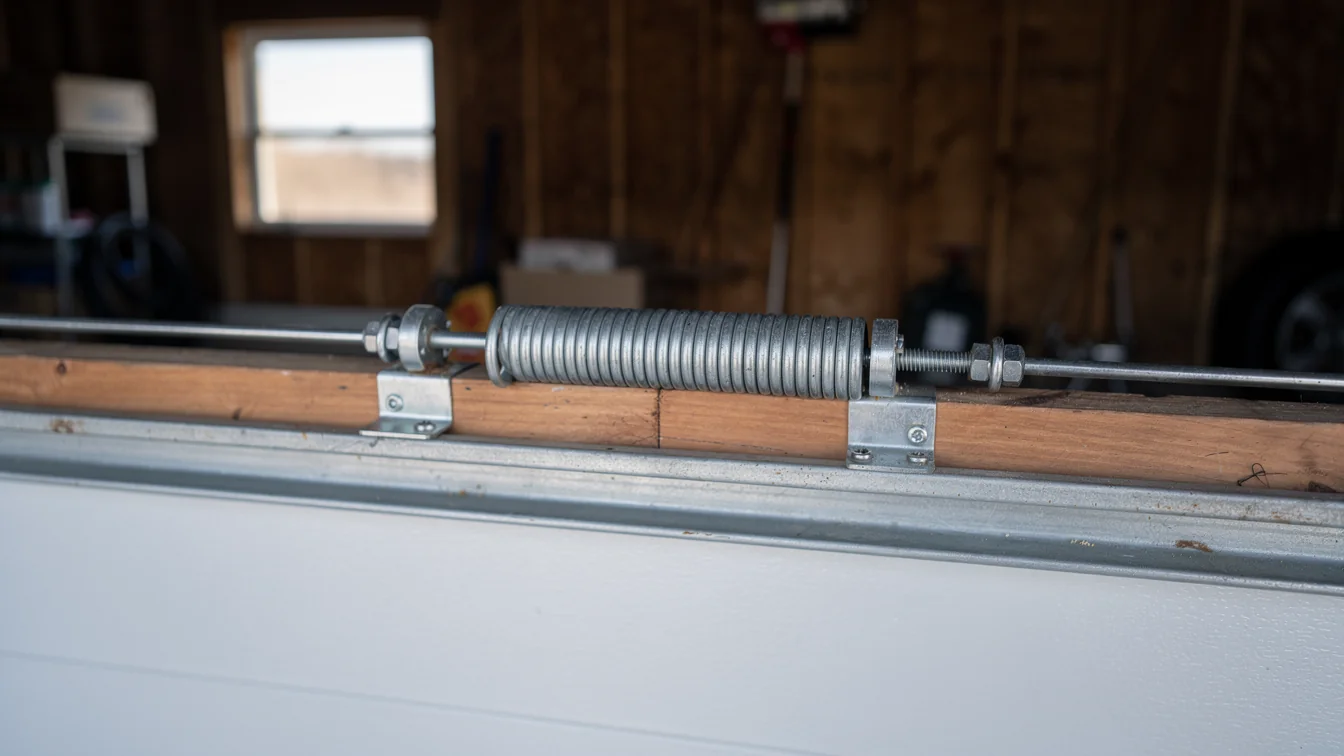
If a spring goes in cold weather, that's not a DIY afternoon. Most houses in the Pooler service area were built between 1964 and 2011, with the bulk of the stock going up through the 1980s and 90s across the fifteen named areas we cover, from Bloomingdale and Garden City in close to Richmond Hill and Guyton further out. Doors from that era were sized and sprung for a mild coastal climate, not for the occasional hard freeze that shows up most winters. When a torsion spring snaps on one of those cold mornings, the tension it was holding releases all at once, and the cable or bracket it's attached to can let go too. That's a call, not a wrench job. Same goes for a door that's stuck halfway open or shut - if you can't tell whether the spring broke or the opener just quit, leave it alone until someone looks at it. A door under load that gets forced the wrong way can jump the track or bend a panel, and now you're paying for two repairs instead of one.
The Problem
A door built or installed in the 1980s or 90s on a house in this area has had three decades of Georgia humidity and the occasional freeze working on its hardware. Galvanized torsion springs lose wind tension slowly, and on a mild-climate build they were often sized with less margin for a true cold snap than a door built further north. So when the temperature actually drops below freezing - which it does most winters here, just not often - that spring is more likely to be the one that goes. Add in original rollers and worn end bearings that were fine in July and suddenly aren't in January, and you get the pattern we see every cold spell: doors that worked fine the day before and won't budge the morning after. This isn't a defect specific to any one builder. It's what happens when 1980s-and-90s coastal-spec hardware meets a freeze it wasn't built around often.
What Local Conditions Do
Pooler sits in a mild climate band with occasional freeze nights, not a true cold-winter zone. That matters for garage doors because the hardware common to this area's housing stock - built mostly from the 1960s through the early 2000s, median around 1990 - wasn't engineered with heavy cold-weather tolerances in mind. Steel contracts in the cold, and a torsion spring that's been slowly fatiguing for years will often fail at the one moment a season when the metal is stiffest and least forgiving. Humidity swings the rest of the year also matter: rust creeps into cable strands and hinge pins between freezes, so by the time a cold morning puts real load on the system, parts that looked fine are already compromised. None of this is dramatic weather. It's a handful of cold mornings a year landing on hardware that spends the other 360 days in salt-air humidity. That combination, more than either factor alone, is what drives the repair calls we get.
What to Check
Before you call anyone, a few things take two minutes and tell you a lot. Look at the springs above the door - if one is visibly separated or the gap between coils looks different side to side, stop there and call. Pull the emergency release and try to lift the door by hand; if it's heavy and won't stay up on its own, the spring has lost tension, likely from age consistent with this area's 1980s-90s stock rather than anything you did. Check the rollers and track for rust streaks or a roller that's worn down to a smaller diameter than its neighbors - common on original hardware from houses built before the 2000s. Listen for grinding on opening, which usually means a bearing, not the opener motor. What we don't do is recommend replacing an entire door because one spring failed - if the track, panels, and opener are sound, a spring and bearing service is usually the right call, not a full replacement. Full replacement makes sense when panels are dented, insulation has failed, or the door predates the 1990s and parts are getting hard to match.
Frequently asked questions
Why did my spring break on a cold morning and not any other day?
Torsion springs fatigue slowly over years, but steel gets stiffer in cold and springs that are already near the end of their life tend to fail right at that stiffer point. Pooler sees occasional freeze nights, not constant cold, so this pattern shows up a handful of mornings a year rather than all winter.
Is my door's hardware original if my house was built in the 80s or 90s?
Often yes, especially on homes that haven't had a major renovation. A lot of the housing in this service area dates to that period, and original torsion springs, rollers, and bearings from a build that old are well past the point where failure gets more likely, particularly once cold nights add extra load.
Can I just tighten or adjust a broken spring myself?
No. A torsion spring under tension can cause serious injury if it lets go while you're working near it. If you suspect a broken or weakened spring, use the manual release to get the door down or up safely, then call someone rather than opening the spring cone yourself.
Do you replace the whole door if the spring breaks?
Not usually. If the track, panels, and opener are in decent shape, a spring and bearing service handles it. We only recommend full replacement when the panels are damaged, insulation has failed, or the door is old enough that matching parts has gotten difficult.
Related garage door services in Pooler
More garage door guides
Book garage door service in Pooler
Call now or request a quote - tell us what the door is doing and where you are.