
Pooler, GA · Garage Door Service
Garage Door Maintenance for Richmond Hill's Newer Housing Stock
Richmond Hill homes run newer than most of the Pooler service area. Here's what that means for spring wear, roller life, and when a tune-up actually pays off.
- Repairs & new doors
- Springs & openers
- Serving 7 nearby communities
Can You Do This Yourself
Richmond Hill has 5,895 households, a small slice of the 45,320 households Pooler Garage Door Pros covers across the service area, and that smaller number matters for what kind of work actually shows up here. Fewer houses means less of the patchwork of eras you see elsewhere in the territory - most doors in Richmond Hill went in around 2005, so you're working with one generation of hardware instead of four or five.
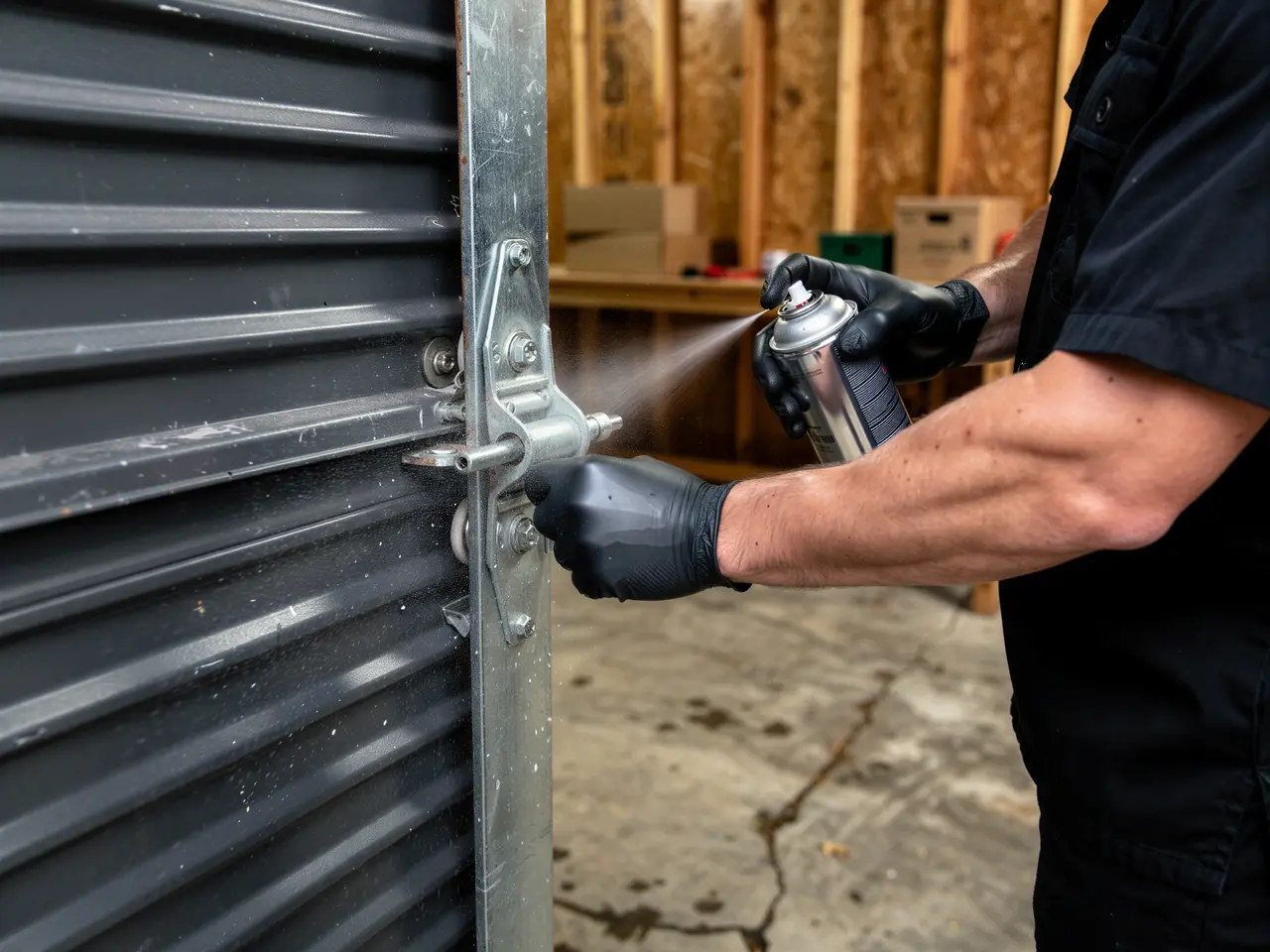
That's good news for a homeowner who wants to do some of this themselves. A door from 2005 still uses steel torsion springs and nylon or steel rollers on standard track - nothing exotic, nothing you need a specialty tool for. You can check and lubricate rollers, hinges, and the torsion bar with a silicone-based spray (never grease, which gums up and attracts grit). You can look at the weatherstripping along the bottom and sides for cracking. You can test the auto-reverse safety feature by setting a piece of wood on the ground where the door closes and confirming it stops and reverses.
What you shouldn't touch: the torsion spring itself. It's under enough tension to break a bone if it lets go, and on a door this age the spring is likely original - it's wound tight and it's been doing that job for close to twenty years. Leave that one to a tech with winding bars and a lift, not a ladder and a wrench.
How Long You Are Without the Door
A maintenance visit on a door this age is usually straightforward - it's not a teardown, it's an inspection and adjustment pass. Lubrication, hardware tightening, balance check, opener sensor alignment, and a look at the spring for rust or stretch marks. None of that requires pulling the door off track or ordering parts, so the door stays usable through most of the visit and you're not stuck in the driveway waiting.
Where it changes is if the inspection turns up something the maintenance call wasn't booked for - a cable starting to fray, a roller that's cracked through, a spring showing the kind of wear that means it's closer to failure than fine. At that point the tech will tell you what's wearing out and what it'd take to fix, rather than doing surprise repair work on a maintenance appointment. We travel to Richmond Hill from Pooler, about 15 miles out, so if a part does need ordering, that's a separate trip once it's in - we won't make you guess on the day.
The Symptom
Houses built around 2005 in Richmond Hill are hitting the age where the first wave of wear shows up, and it shows up predictably. The nylon rollers that came standard on doors from that era start to crack or flat-spot after close to two decades of cycles, and you'll hear it before you see it - a rhythmic thump as the door travels, worse in the morning when everything's stiff.
Openers from the same build years are usually the first-generation chain or belt-drive units with a worn drive gear, and the symptom there is a door that runs loud, runs slow, or stalls partway up. Springs on a 2005-era door are nearing the tail end of a normal lifespan too - figure a spring is rated for a number of open-close cycles, and a door used daily for close to twenty years is getting into the range where metal fatigue, not damage, is what finally takes it out.
None of this is unique to any one house - it's what happens to a door built in a specific window of years once that window closes. If your door is making noise it didn't used to make, that's the stock telling you its age, not a sign something was installed wrong.
The Cost of This Job
We don't have a fixed number to post here for Richmond Hill specifically, and quoting one without seeing the door would be a guess dressed up as a fact. What we can tell you is what drives the number up or down: whether it's a straight lubrication-and-adjustment visit or whether the inspection finds a roller or cable that needs replacing on the spot, and whether the opener is original or already been swapped once.
Richmond Hill's median household income runs $89,910, above the $80,231 figure for the wider service area, and homes here tend to run newer and often larger - that can mean heavier doors, which matters for spring sizing if a spring is close to needing replacement rather than just adjustment. It doesn't change the price of a basic maintenance call, but it's worth knowing if you're budgeting ahead for the day the original spring finally goes.
Ask for the breakdown before the work starts, not after. A straight maintenance visit and a maintenance-plus-repair visit are two different conversations, and you should know which one you're having before the tech opens the toolbox.
Getting It Booked In
Because the drive from Pooler is about 15 miles, Richmond Hill appointments get scheduled as a route, same as the other towns we cover out that way. That's not a complaint - it just means it helps to book ahead rather than expect a same-day slot, especially if you're flexible on timing and just want the door looked at before it gives you trouble instead of after.
If you're not sure whether what you're hearing is routine wear for a 2005-era door or something that needs looking at sooner, mention the symptom when you call - the thump, the slow start, the noise - and that'll shape whether it's booked as maintenance or moved up. You can see the other towns we reach from Pooler at /near/richmond-hill/, and if you want the general service rundown rather than the Richmond Hill specifics, that's covered on the Pooler maintenance page.
Frequently asked questions
How old are most garage doors in Richmond Hill?
Most homes in Richmond Hill were built around 2005, which is newer than the broader Pooler service area, where housing spans 1964 to 2011 with a median around 1990. That means Richmond Hill doors are mostly one generation of hardware - steel torsion springs and nylon rollers from the early-to-mid 2000s - rather than a mix of older and newer parts.
Do you have a local crew based in Richmond Hill?
No. Pooler Garage Door Pros works out of Pooler and travels to Richmond Hill, about 15 miles away, for scheduled appointments. We don't have a branch or depot there, so booking ahead works better than expecting same-day service.
Why does my opener run louder than it used to?
On a door from the early-to-mid 2000s, a loud or slow-running opener is usually a worn drive gear inside the unit, a normal failure point after close to two decades of use. It's worth having it checked rather than ignored, since a stalling opener can mask a spring or cable problem underneath it.
Is it worth replacing the spring before it breaks?
If the door is original to a 2005-era build and the spring shows rust, flattening, or gaps when it's at rest, it's closer to the end of its rated cycle life than the start. Replacing a worn spring on your schedule costs less hassle than replacing a snapped one on an emergency basis.
More garage door services in Richmond Hill
Book garage door service in Pooler
Call now or request a quote - tell us what the door is doing and where you are.