
Pooler, GA · Garage Door Service
Garage Door Maintenance for Georgetown's Mid-90s Doors
Georgetown homes mostly date to the mid-1990s, which means steel sectional doors on extension springs. We travel from Pooler, 9 miles out, to service them.
- Repairs & new doors
- Springs & openers
- Serving 7 nearby communities
The Symptom
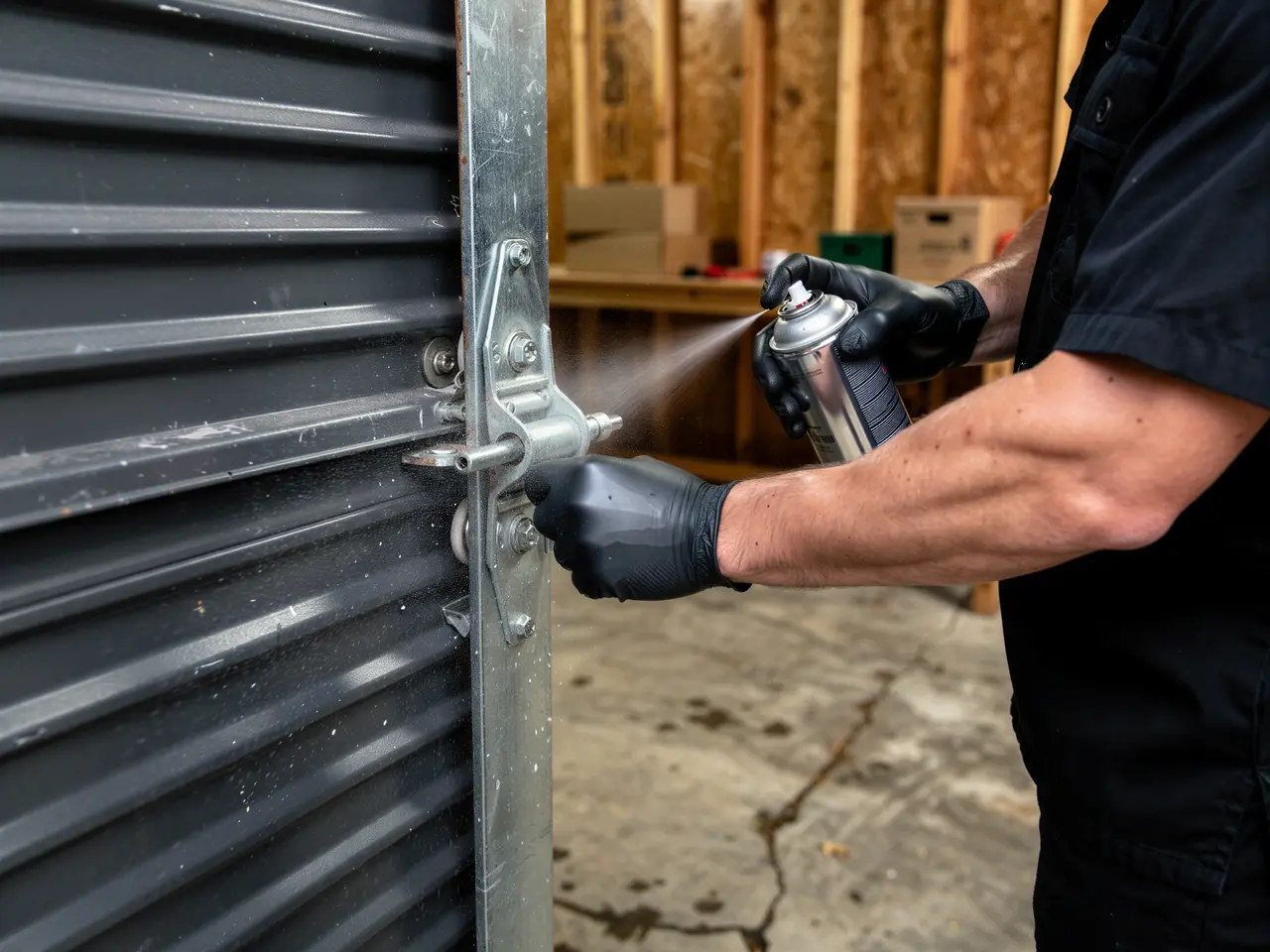
Most garage doors in Georgetown are steel sectional panels hung sometime around the mid-1990s, which is the median build year for houses in this part of the service area. That era means lighter-gauge steel than what went up later, usually on extension springs mounted along the horizontal track rather than the torsion bar setups you see on newer construction. Before you get to any specific complaint - a door that drags, a track that's pulled from the wall, an opener that grinds - it helps to know what you're actually dealing with. These are doors built to a 1990s standard of hardware: galvanized cable, stamped-steel hinges, rollers that were plastic from day one and have had thirty-odd years to wear flat on one side. A door that sags at one bottom corner on this kind of build is almost always a roller or hinge problem, not a structural one. A door that won't stay up when disconnected from the opener is a spring that's lost tension - normal for hardware this age, not a sign anything was installed wrong.
The Cost of This Job
We don't have a published price list for work out this way, and we're not going to invent a number to fill space. What we can tell you is what drives the number up or down on a 1990s door: whether the extension springs need replacing in pairs (they should be, even if only one has failed), whether the track has rusted enough to need swapping rather than just realigning, and whether the opener is original to the house or a later replacement. Georgetown's median household income sits at $80,231 across the wider service area, and most of what we see out this way is routine wear-and-tear maintenance rather than storm damage or structural failure - which keeps the job closer to a tune-up than a rebuild in most cases.
Why It Happens Here
Georgetown's housing stock centers on 1995, right in the middle of the broader 1980s-90s build-out that covers most of this service area. That means the doors going bad right now aren't failing because of any one event - they're failing because extension springs have a duty-cycle life measured in years of daily use, and a spring installed when a house was built in the mid-90s has had three decades of lifting and lowering. The climate here is mild with occasional freeze, which doesn't stress hardware the way true freeze-thaw regions do, but it does mean humidity cycling on unpainted steel track and hinges over a long stretch of years. Add in that a lot of these doors have never had a hinge or roller replaced since installation, and you get the pattern we actually see: a door that's cosmetically fine but mechanically tired.
What the Repair Takes
On a typical mid-90s door, the job starts with pulling the panel off the track enough to check hinge wear at each fold point, since a worn hinge pin lets the panel flex where it shouldn't. Rollers get checked next - if they're the original plastic rollers, they're usually due regardless of what brought us out. Extension springs get inspected for stretch and rust; if one's gone, we replace both, because a mismatched pair just means a second call in a year. Track alignment matters more on older installs because thirty years of a door settling into its opening can pull brackets slightly out of plane, even without any single dramatic event causing it. One honest limit: if the track itself has rusted through rather than just surface-rusted, that's a track replacement, not a tune-up, and we'll tell you that upfront rather than patching something that'll fail again in a season.
Parts We Carry
For doors from this era we carry standard extension springs sized for single and double residential sectional doors, replacement rollers in both plastic and nylon, galvanized lift cable, and the stamped hinges that match 1990s sectional panel spacing. What we don't stock on the truck is anything custom - odd-width panels or non-standard track radius sometimes need an order, and on a door this age that can mean a short wait while a part comes in rather than a same-visit fix. We travel to Georgetown from Pooler, about 9 miles out, so we plan the parts we're likely to need before we head over rather than guessing on site.
Frequently asked questions
How old are most garage doors in Georgetown likely to be?
The housing here centers on a median build year of 1995, so most original doors are steel sectional panels on extension springs from that era. If your door hasn't been replaced since the house was built, that's roughly thirty years of wear on the hinges, rollers, and springs - which is about the normal service life for that hardware.
Do you keep a local crew in Georgetown?
No. We work out of Pooler and travel to Georgetown, about 9 miles away, for service calls. We don't have a branch or depot in Georgetown itself, so scheduling is built around that drive rather than an on-site crew.
Why do extension springs fail in pairs if only one breaks?
Extension springs stretch with every cycle of the door, and a pair installed at the same time wears at close to the same rate. Replacing only the broken one leaves a tired spring carrying the load unevenly, which usually means a second failure within a year - so we replace both even when just one has gone.
More garage door services in Georgetown
Book garage door service in Pooler
Call now or request a quote - tell us what the door is doing and where you are.